
Silicone vs. TPE: Which Is Safer for Adult Toys?

Silicone? TPE? What the heck’s the difference, really?
If you’ve ever found yourself half an hour deep into reading toy reviews and still not sure what TPE even stands for—hey, you’re not alone. It’s easy to get distracted by all the buzzwords, but here’s the thing: the material your toy’s made of can seriously change the whole vibe.
Now, silicone and TPE... they both get tossed around a lot in product pages, but they don’t behave the same. They don’t feel the same either. One’s smoother, sure, but might cost a small fortune. The other? Softer maybe, but needs a little more babysitting. Honestly, it depends what you’re after—and how much hassle you’re willing to deal with. Let’s untangle this mess.
1. What Are These Materials, Really?
Silicone
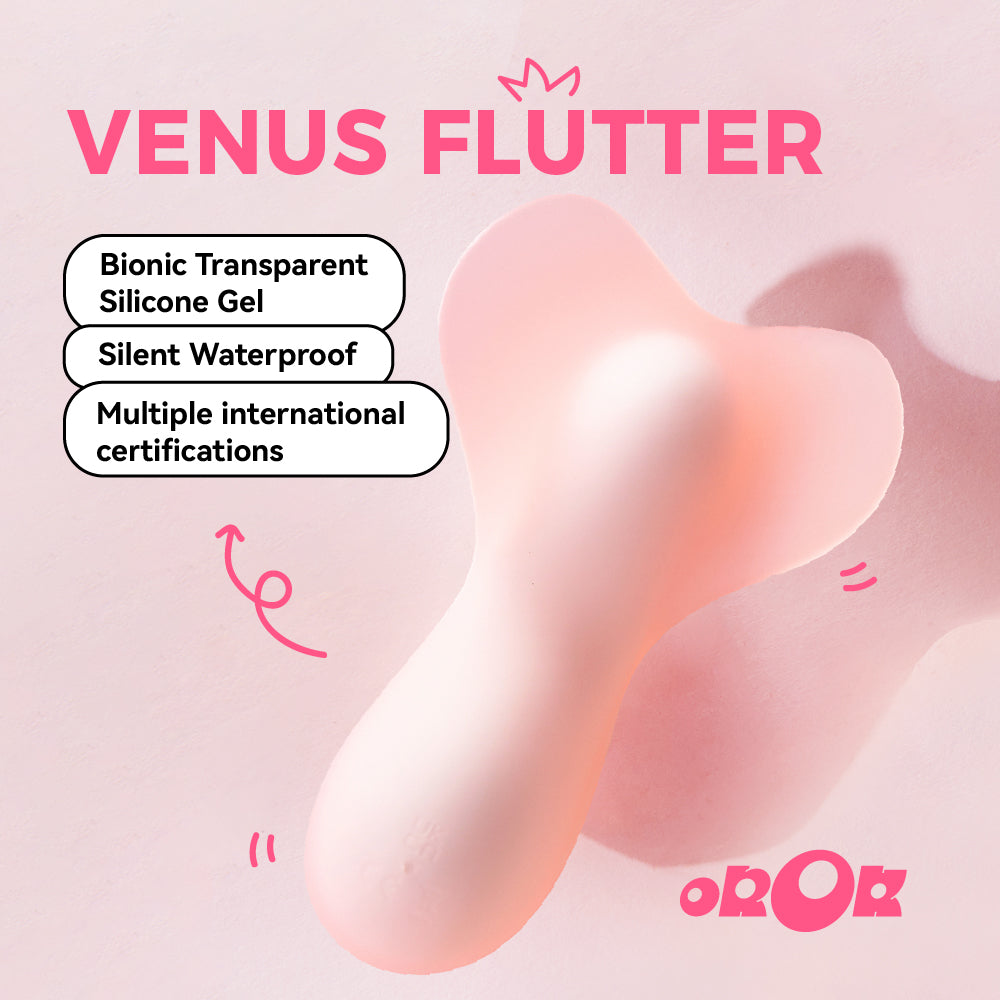
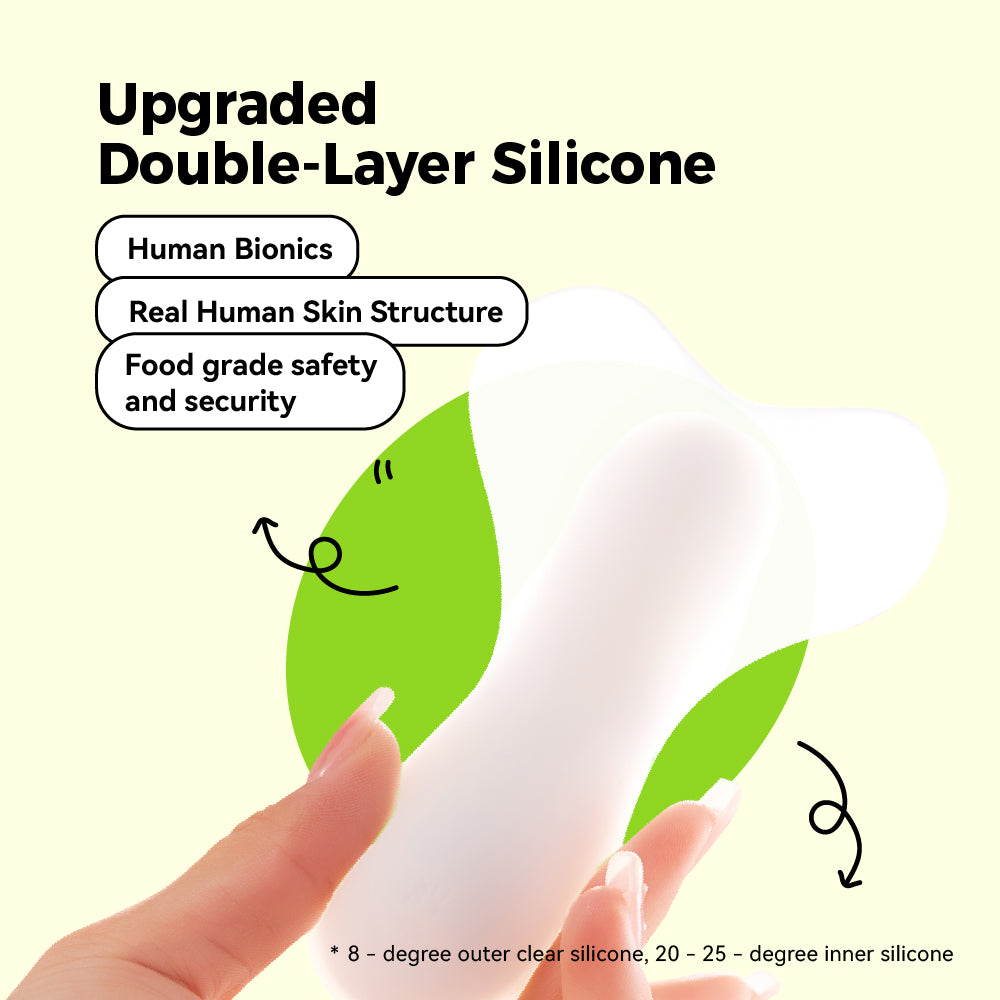
At its core, silicone is a lab-made material formed from a repeating chain of silicon and oxygen atoms, with a few extras like carbon and hydrogen thrown in. Sounds a bit science-y, but all that chemistry gives it real-world perks: it's super stable, doesn’t react with much, and that’s why you’ll find it in everything from baby bottle nipples to hospital gear. In the adult toy world, silicone usually comes in food-grade or medical-grade forms—both meant to be body-safe, and often tested and certified batch by batch.
TPE
TPE stands for thermoplastic elastomer, which is kind of like if plastic and rubber had a baby. It’s flexible, soft, and can come in many flavors—TPU, TPR, you name it. Some types are made to be skin-safe and high quality, others not so much (watch out for phthalates in the cheap stuff). That’s why who makes the toy matters a lot more when it’s TPE—you want a brand that knows what they’re doing.
2. Feel & Durability: What It’s Like in Real Use
Silicone
Heat Tolerance: It’s practically unbothered by heat or cold. You can boil it, freeze it, toss it in the dishwasher—it can take it all without breaking down.
Feel on Skin: Smooth, velvety, with a firmer touch. Not exactly squishy like skin, but it glides nicely and doesn’t feel harsh.
Lifespan: This stuff holds up. It doesn’t go sticky over time, doesn’t discolor, and with basic care, it’ll outlive most of your tech gadgets.
TPE
Heat Sensitivity: TPE’s a little more delicate. Keep it away from boiling water or high heat. A warm, soapy rinse is the safest way to clean it.
Touch: It’s got that soft, stretchy, bouncy texture that people love because it mimics real skin so well. Great for realistic toys.
Durability: This is where it falls short. TPE doesn’t like heat, sunlight, or oils. Leave it out too long and it might get sticky or start falling apart. It’s a bit high-maintenance, honestly.
3. Pricing and Value
Silicone
Because of the material’s safety, durability, and feel, silicone toys generally cost a bit more. However, with proper care, they can outlive multiple cheaper toys, saving you money in the long run. Plus, their attractive color and texture can be a visual treat.
TPE
TPE toys usually carry a lower price tag, making them an affordable entry point for newbies. However, frequent replacements, storage, and cleaning add hidden costs. If you’re on a tight budget, it’s wise to invest in a couple of quality silicone toys rather than several TPE ones.
4. Where You’ll Find Them
Silicone
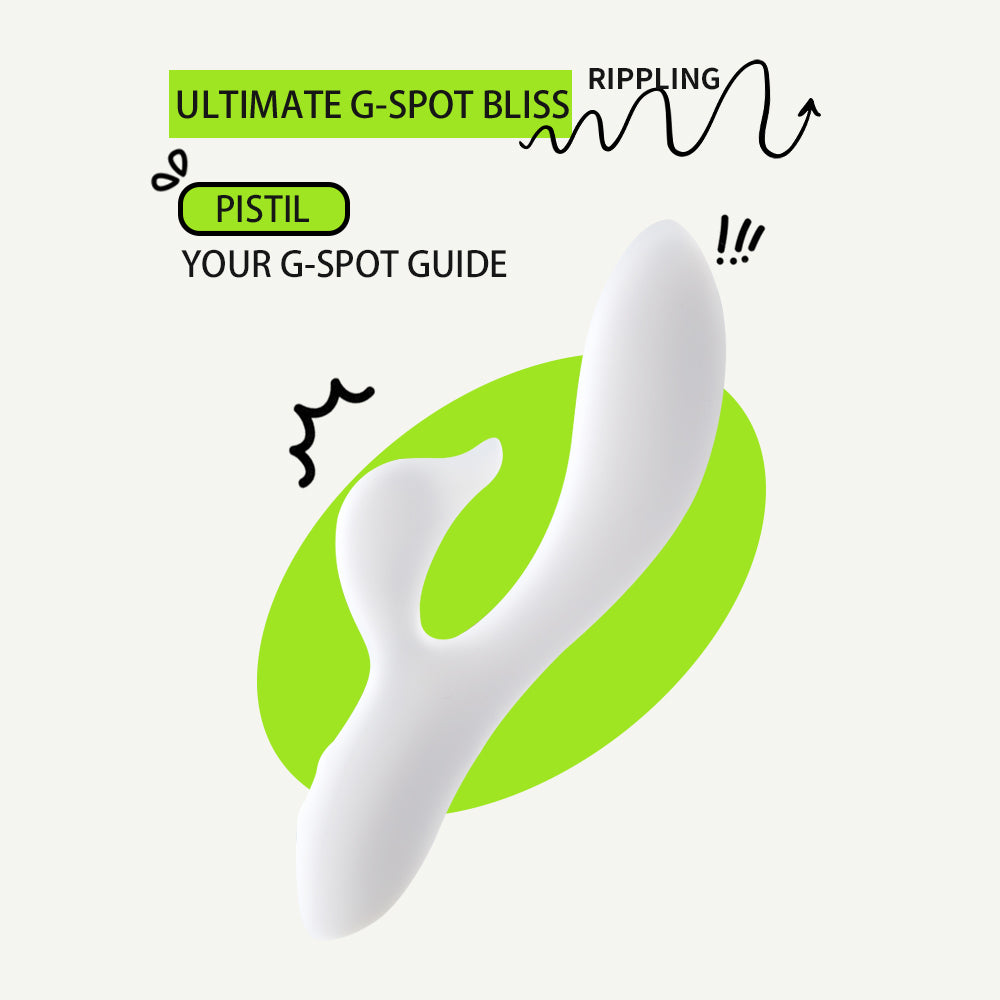
Vibrators: The higher-end brands like Lelo and We-Vibe often make the body or the coating from silicone, using ABS plastic for the motor or the handle. Because silicone is non-porous, it can handle a serious scrub, making it perfect for toys you want to clean often.
Dildos: Choose a premium dildo from brands such as Tantus or Vixen Creations, and you’ll get a toy made from 100% silicone. This material is firm yet silky, making it safe and long-lasting. These dildos stand up to lots of use while keeping a smooth feel, so they’re great for those who want both safety and quality.
Sex Dolls: If you’re looking for a top-tier sex doll, silicone models from RealDoll are the way to go. These dolls weigh around 80 to 100 pounds, making them hefty and grounded. Though the silicone is less stretchy than TPE, it holds super fine details and lasts a long time. These dolls are best for anyone who sees them as a serious, long-term investment.
TPE
Dildos: TPE is the go-to for budget or dual-density dildos that have a firmer core wrapped in a soft, squishy layer. This combo gives a very lifelike feel. Brands like Doc Johnson use TPE to keep the price down while still offering a decent experience.
Sex Dolls: In the world of sex dolls, TPE is the main player for the mid-to-low price ranges. Brands like WM Dolls and Irontech offer dolls that weigh between 50 and 80 pounds, feel softer, and come with a skin-like texture that looks and feels real. These dolls keep the cost down and the realism high.
Strokers and Sleeves: TPE bends and stretches the way you want, making it the best pick for soft sleeves like Fleshlights. These toys are made to feel good right away and are priced to fit most budgets, even though they might not last as long as silicone.
Safety Showdown: Which Is Better for Your Body?
Silicone: The Safety Champ
Body-Safe: Medical-grade silicone is non-toxic, hypoallergenic, and non-reactive. It’s the same material used in implants, so it’s gentle on sensitive spots.
Hygiene Hero: Silicone is non-porous, which means it won’t pocket germs. Sterilize it by boiling for 3–5 minutes, tossing it in the dishwasher without soap, or wiping it down with a 10% bleach solution. This is great for anyone who shares toys or who’s sensitive to infections.
Longevity: Silicone won’t break down or leach chemicals, even with heavy play. Treat it right, and a silicone toy can stay safe for ten years.
Watch Out: Cheap “silicone” from shady sources may have fillers or poor-quality material mixed in. Always check for “100% medical-grade silicone” and buy from trusted names like Fun Factory or Uberrime.
TPE: Safe, But You Gotta Be Picky
High-Quality TPE: Medical-grade TPE is body-safe and free of dangerous junk. Brands like Fleshlight use tested TPE that passes safety checks like RoHS and CE.
Realistic Feel: TPE is super soft and stretchy, making it the go-to choice for toys that want that lifelike vibe, like strokers and budget-friendly sex dolls.
Risks: Porosity: TPE has tiny pores, so it can trap bacteria if it’s not cleaned really well. You need warm water and mild soap, but you can’t boil or bleach it like you can with silicone.
Additives: Cheaper TPE might have phthalates, which some studies say could mess with hormones if you use the toys a lot over time. Always look for safety tags or stick to brands you trust.
Degradation: TPE can turn sticky or start to break apart after a while, especially if it’s near heat, oils, or the wrong cleaner. This can make it less safe for the long run.
User Experience: What It’s Like to Own These Toys
Silicone
Pros: It’s luxuriously smooth with enough drag to make water-based lube feel just right. A quick boil and you’re set—cleaning’s never been simpler. Durable enough for toys you use all the time, and silicone dolls feel solid, with polished features that really stand out.
Cons: It doesn’t stretch the same way, so some users say it’s less “real” for bigger dildos or dolls. The price can be high, which stings for large items. A few also miss the firmer grip that TPE offers during use.
TPE
Pros: The soft, skin-like feel is unbeatable, especially in dildos, strokers, and dolls focused on realism. It’s light on the wallet, so you can try new shapes and sizes without worry. TPE dolls are lighter and simpler to move around.
Cons: Cleaning is a chore—make sure it’s dry to keep mold away. Proper storage is a must, so talc powder is your friend for dolls. After a while, the shine can fade, and that’s a letdown for some users.
Tips to Keep Your Toys Safe and Fun
Buy Smart
Stick with brands you can trust. For silicone, try Tantus, Lelo, or RealDoll. For TPE, check out Fleshlight or WM Dolls. Look for markings like FDA, LFGB, or RoHS. If a toy smells like chemicals, ship it back.
Lube Up Right
Use water-based lube for both materials. Silicone-based lube will mess with both silicone and TPE, leaving you with a sticky, ruined toy.
Clean Like a Pro
Silicone: Boiled, tossed in the dishwasher, or soaked in a bleach solution.
TPE: Warm water, gentle soap, and a night-long drying session. For TPE sex dolls, wipe the surface with a damp, soft cloth. Never dunk the whole doll in water.
Store Wisely
Find a cool, dry hiding spot for your toys.
TPE: Store in cloth, breathable bags. Keep away from sun and heat.
TPE dolls: Dust with cornstarch or talc to keep the skin from getting sticky.
Final Thoughts
Silicone wins on safety and durability, and it’s really easy to clean. It’s the best pick for luxury vibrators, top-notch dildos, and fancy sex dolls, especially if you’re sensitive or want your toy to last. Sure, it costs more at the start.
TPE feels softer and super-real, and it comes at a wallet-friendly price. It’s a solid pick for budget dildos, strokers, and sex dolls. Just choose high-quality brands to dodge any health risks, and stick to the care routine.
Your pick comes down to what you care about more: silicone’s long life and easy hygiene, or TPE’s lower price and realistic softness. No matter what, shop from brands you trust, clean your toys really well, and store them right. That way, you keep your experience safe and satisfying.
Happy exploring!